/
RSS Feed
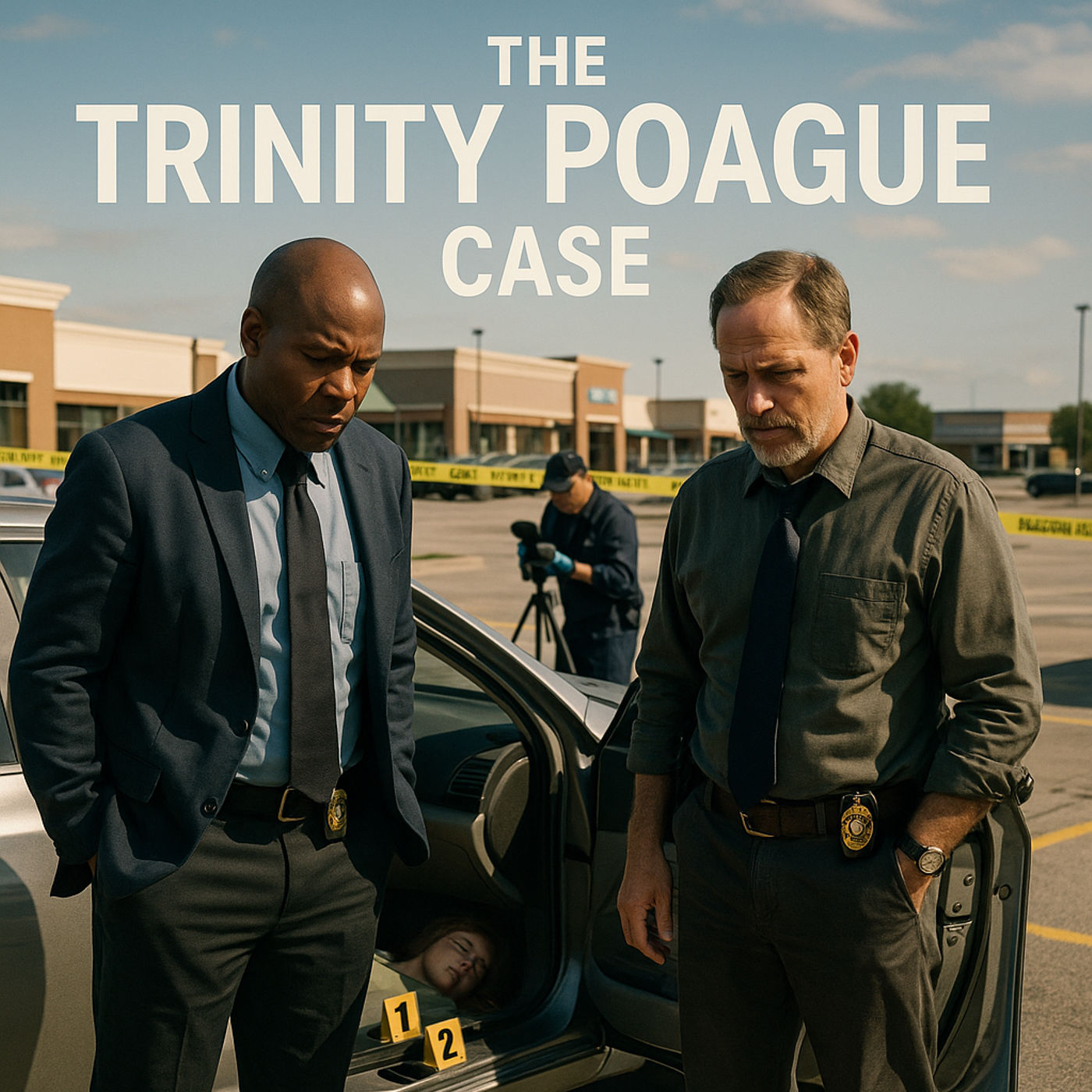
Trinity Poague’s final hours began without warning. Her day was normal. Her conversations were routine. Nothing pointed toward danger. But the next morning, officers found her unresponsive inside a parked car on the edge of a quiet shopping lot. There were no injuries. No signs of struggle. No indication of violence. The scene gave detectives almost nothing to work with.
What followed was a methodical investigation that stretched from family interviews to surveillance pulls, digital data, and weeks of forensic testing. Detectives rebuilt the timeline minute by minute. They tracked her last messages. They spoke with friends and reviewed every location she might have visited. The blank hours in the night carried the weight of the case.
Lab work and medical examination provided the break that the scene never revealed. Toxicology showed a fatal level of substances consistent with an accidental overdose. No evidence pointed to another person. No digital trail suggested coercion. No physical sign contradicted the medical findings. In the end, the case showed a quiet tragedy unfolding in private moments. The story follows the detectives who carried the weight of bringing clarity to a loss that left a community grieving and searching for understanding.

Dr. Samuel Vance was once a man of precision, a gifted surgeon who walked the fine line between saving lives and selling them. In...
n 1947, Edward Carlyle, a wrongly convicted banker, arrives at Blackstone Penitentiary to serve two life sentences for murders he didn’t commit. Amidst corruption,...
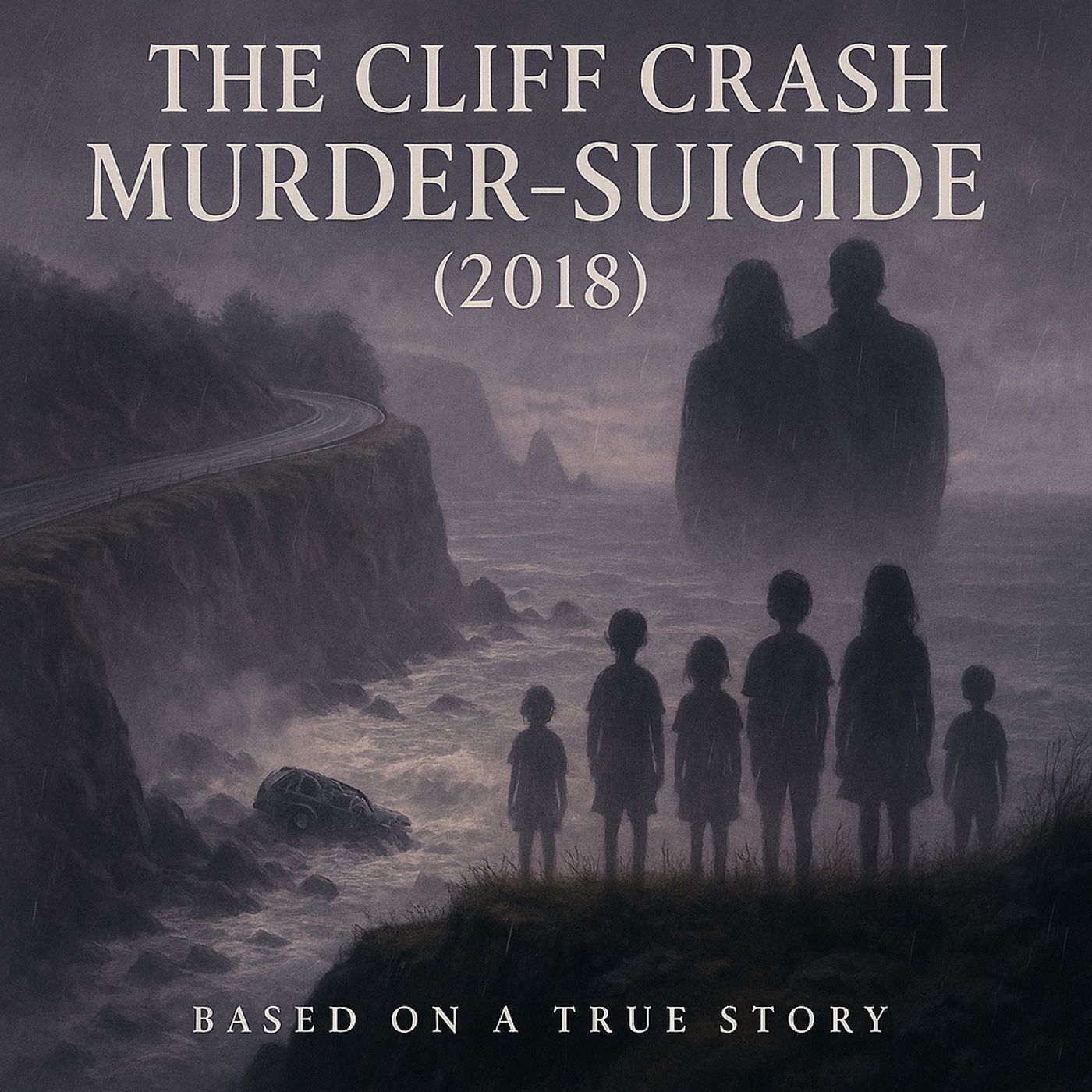
On March 26, 2018, a picturesque coastal highway in Mendocino County, California, became the setting of an unimaginable tragedy. An SUV carrying Jennifer and...