/
RSS Feed
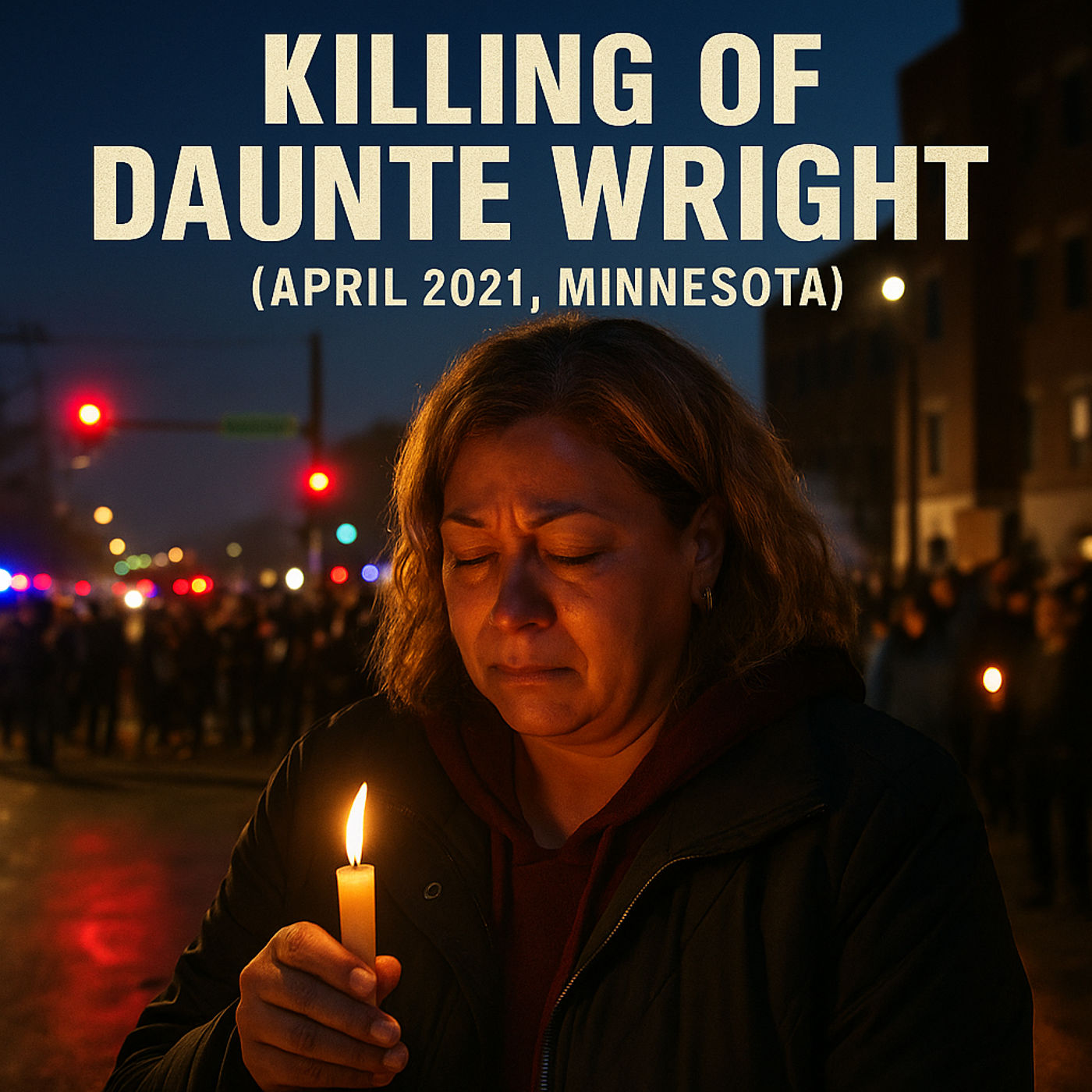
The story unfolds like a film set against the gray skies of suburban Minnesota, beginning on a quiet April afternoon that will change everything. The tone is intimate and cinematic — the viewer moves from the stillness of a young man’s routine day into the chaos of flashing red and blue lights, the tense dialogue of a traffic stop, and the irreversible split-second decision that shocks the nation. The camera lingers on faces: the nervousness in Daunte Wright’s eyes, the stern but uncertain focus of the officer, the confusion between training and instinct.
As the shot echoes, the film’s palette shifts — cool daylight fading into the warm, chaotic glow of protest fires and candlelight vigils. Crowds fill the streets, chanting, holding signs, and lifting candles in trembling hands. The lens captures the city as both battleground and memorial — raw emotion set against civic grief. By the final act, courtroom scenes mirror confessionals: sterile walls, flickering lights, trembling voices. The camera settles on Daunte’s mother at the vigil, candlelight reflecting in her tears — a closing image that burns like memory.
This deep-dive documentary and full investigation explores the tragic 2020 killing of Seth Smith, a brilliant University of California, Berkeley student whose life was...
A peaceful walk for justice turned into a firebombed nightmare. In Boulder, Colorado, 82-year-old Karen Diamond was murdered in a horrifying hate-fueled attack when...
Dive into The Poisoned Well, an edge-of-your-seat true crime thriller podcast where Detective Evelyn Marsh uncovers a chilling conspiracy in a small town plagued...